The French dairy giant is acquiring the UK meal-replacement brand in one of the most significant moves in functional nutrition in years — and the strategic logic runs deeper than the price tag.
In a deal that signals where global nutrition is heading, Danone has announced its intention to acquire Huel — the British maker of nutritionally complete meal replacements — for approximately $1.2 billion. The acquisition is subject to regulatory approval and is expected to close in the second half of 2026.
For Danone, this is not a distraction. It is a direct expression of its Renew Danone strategy — an ongoing effort to shed lower-growth legacy assets and rebuild around categories with structural tailwinds. Huel sits squarely in one of those categories: convenient, science-backed nutrition for consumers who want to optimize, not just eat.
What is Huel — and why does it matter now?
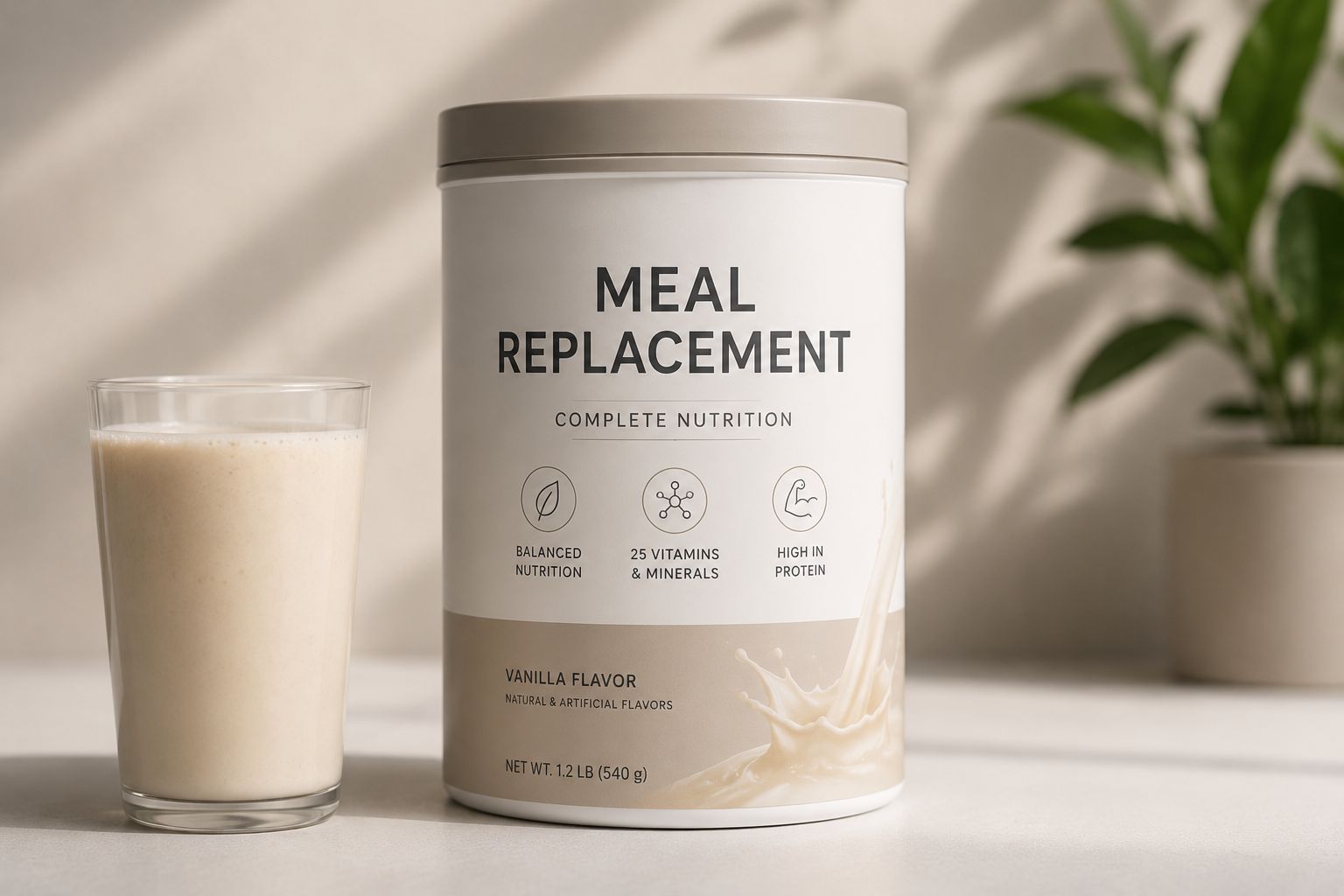
Founded in the UK in 2015, Huel built its brand around a simple proposition: nutritionally complete food, designed for modern life. Its product line spans ready-to-drink shakes, protein powders, hot savory meals, and bars — all formulated to provide a full spectrum of macronutrients, vitamins, and minerals in single servings. The company reported revenues of £250 million in 2025, reflecting a consumer base that has grown well beyond its early adopter roots.
What makes Huel genuinely valuable to Danone is not just its revenue, but its digital infrastructure. Huel sells predominantly direct-to-consumer, with a highly developed online acquisition engine, strong subscription economics, and a community-first marketing model that Danone's traditional retail playbook cannot easily replicate.
The strategic read
Danone's CEO Antoine de Saint-Affrique has been clear that the company's ambition is to be the global leader in health-through-food. To get there, Danone needs exposure to categories growing faster than its dairy and plant-based legacy businesses. Functional nutrition — especially the "nutritionally complete" space — is one of them.
By combining Huel's product range and digital-first go-to-market model with Danone's global distribution network and deep nutritional R&D, the deal creates a credible path to international expansion for Huel, particularly in markets like the Middle East, Southeast Asia, and Latin America, where demand for convenient, health-forward products is growing fast but remains underpenetrated by premium nutrition brands.
What this means for the region
For foodtech operators and investors in Saudi Arabia and the broader GCC, this deal is a signal worth noting. Consumer health awareness in the region is rising rapidly, driven by Vision 2030's emphasis on lifestyle transformation and a young, digitally native population. Categories like meal replacements, protein optimization, and functional foods — once considered niche — are entering the mainstream. Danone's willingness to pay $1.2 billion for a direct-to-consumer nutrition brand confirms that global capital sees this shift as durable, not cyclical.
Local brands and startups operating in adjacent categories — whether in protein foods, health snacks, or personalized nutrition — should read this acquisition as a validation of their market direction, and as a reminder that building strong digital communities around food is now a core asset class, not just a marketing tactic.
The French dairy giant is acquiring the UK meal-replacement brand in one of the most significant moves in functional nutrition in years — and the strategic logic runs deeper than the price tag.
In a deal that signals where global nutrition is heading, Danone has announced its intention to acquire Huel — the British maker of nutritionally complete meal replacements — for approximately $1.2 billion. The acquisition is subject to regulatory approval and is expected to close in the second half of 2026.
For Danone, this is not a distraction. It is a direct expression of its Renew Danone strategy — an ongoing effort to shed lower-growth legacy assets and rebuild around categories with structural tailwinds. Huel sits squarely in one of those categories: convenient, science-backed nutrition for consumers who want to optimize, not just eat.
What is Huel — and why does it matter now?
Founded in the UK in 2015, Huel built its brand around a simple proposition: nutritionally complete food, designed for modern life. Its product line spans ready-to-drink shakes, protein powders, hot savory meals, and bars — all formulated to provide a full spectrum of macronutrients, vitamins, and minerals in single servings. The company reported revenues of £250 million in 2025, reflecting a consumer base that has grown well beyond its early adopter roots.
What makes Huel genuinely valuable to Danone is not just its revenue, but its digital infrastructure. Huel sells predominantly direct-to-consumer, with a highly developed online acquisition engine, strong subscription economics, and a community-first marketing model that Danone’s traditional retail playbook cannot easily replicate.
The strategic read
Danone’s CEO Antoine de Saint-Affrique has been clear that the company’s ambition is to be the global leader in health-through-food. To get there, Danone needs exposure to categories growing faster than its dairy and plant-based legacy businesses. Functional nutrition — especially the “nutritionally complete” space — is one of them.
By combining Huel’s product range and digital-first go-to-market model with Danone’s global distribution network and deep nutritional R&D, the deal creates a credible path to international expansion for Huel, particularly in markets like the Middle East, Southeast Asia, and Latin America, where demand for convenient, health-forward products is growing fast but remains underpenetrated by premium nutrition brands.
What this means for the region
For foodtech operators and investors in Saudi Arabia and the broader GCC, this deal is a signal worth noting. Consumer health awareness in the region is rising rapidly, driven by Vision 2030’s emphasis on lifestyle transformation and a young, digitally native population. Categories like meal replacements, protein optimization, and functional foods — once considered niche — are entering the mainstream. Danone’s willingness to pay $1.2 billion for a direct-to-consumer nutrition brand confirms that global capital sees this shift as durable, not cyclical.
Local brands and startups operating in adjacent categories — whether in protein foods, health snacks, or personalized nutrition — should read this acquisition as a validation of their market direction, and as a reminder that building strong digital communities around food is now a core asset class, not just a marketing tactic.