

Novonesis Locks In Exclusive Rights
to Scale TurtleTree's Cow-Free Lactoferrin
A Danish biosolutions giant is betting on a Singapore-founded startup's precision-fermented protein to break one of dairy's most persistent supply bottlenecks — with early-life nutrition as the prize.
A Precision-Fermented Protein Finds Its Manufacturer
Novonesis, the Copenhagen-headquartered biosolutions group formed by the 2024 merger of Novozymes and Chr. Hansen, has signed an exclusive agreement with Singapore- and US-based TurtleTree to scale, manufacture, and commercialise the startup's precision-fermented lactoferrin ingredient, marketed as LF+. Announced on July 8, the deal hands Novonesis exclusive rights to bring LF+ to the early-life nutrition market through its Human Health Biosolutions division, alongside selected commercial rights for dietary supplements. Novonesis is simultaneously making a minority equity investment in TurtleTree, joined by 321Catalyst Ventures, the corporate venture arm of Japan's Mitsui Chemicals.
Lactoferrin is an iron-binding glycoprotein naturally present in milk, prized for its role in immunity, iron regulation, and gut health — benefits that are especially pronounced for infants and women. Producing it conventionally is expensive and inefficient: extracting a single kilogram of purified lactoferrin from bovine milk requires roughly 10,000 litres, pushing costs to between $600 and $2,000 per kilogram and keeping supply reserved largely for infant formula and premium supplements. TurtleTree's precision fermentation platform sidesteps that constraint entirely by producing a bioidentical version of the protein in bioreactors, independent of milk volumes.
Key Takeaways
- Novonesis gains exclusive rights to scale, manufacture, and commercialise TurtleTree's LF+ lactoferrin for early-life nutrition, plus selected rights for dietary supplements.
- TurtleTree is the first company globally to receive a US FDA GRAS "No Objection Letter" for precision-fermented lactoferrin, clearing a key regulatory hurdle competitors have yet to pass.
- Novonesis will produce LF+ at its US manufacturing facility in Blair, Nebraska, and is making a minor equity investment alongside 321Catalyst Ventures (Mitsui Chemicals).
- LF+ is already commercialised through TurtleTree's own brand Intentional, plus partnerships with Cadence Performance Coffee and animal-free dairy firm Strive Nutrition.
- The deal follows a difficult stretch for TurtleTree, which pared down to a skeleton team through 2024 before regulatory clearance repositioned it as a credible manufacturing partner.
From Cell-Cultured Milk to a Focused Fermentation Platform
TurtleTree, founded in 2019 by Fengru Lin and Max Rye, has undergone a significant strategic narrowing since its early days experimenting with cell-cultured milk. The company has since focused its efforts on precision fermentation of dairy proteins that are structurally difficult to produce at scale through animal-based methods, starting with lactoferrin. That focus paid off in May 2025, when TurtleTree became the first company worldwide to secure a GRAS "No Objection Letter" from the US FDA for precision-fermented lactoferrin — a milestone that distinguishes it from rival developers such as Australia's All G and South Africa's De Novo Foodlabs, both of which are still pursuing regulatory clearance for comparable ingredients.
The path to that milestone was not without strain. TurtleTree has raised roughly $40 million to date and was mid-fundraise as recently as last year, reportedly targeting a further $15 million. Reporting from industry outlet Green Queen noted that the company had gone through multiple rounds of layoffs in the six months leading up to January 2025, leaving a skeleton team of around nine employees — a reflection of the broader funding retrenchment that has hit alternative-protein startups since the sector's pandemic-era peak. The Novonesis agreement marks a turnaround: validation from one of the world's largest biosolutions companies, backed by capital and manufacturing infrastructure TurtleTree could not build alone.
"-This partnership is about doing the hard work required to make the unique benefits of lactoferrin truly usable at scale. Not just technically, but economically available for all. By pairing TurtleTree's precision fermentation platform with Novonesis' manufacturing and commercialisation capabilities, we're unlocking the consistency, cost structure, and supply reliability that modern health brands need."
Why Novonesis Wants In
For Novonesis, the agreement slots neatly into an existing Human Health Biosolutions portfolio that already spans human milk oligosaccharides, probiotics, and synbiotics — categories aimed squarely at infant and specialised nutrition. Rather than developing its own precision-fermented lactoferrin from scratch, Novonesis is acquiring a regulatory head start: TurtleTree's GRAS clearance removes years of dossier work and review risk that would otherwise stand between a biosolutions manufacturer and market entry in early-life nutrition, one of the most tightly scrutinised categories in food production.
The company's production facility in Blair, Nebraska, gives the partnership an immediate path to industrial-scale output, addressing what has historically been the central obstacle for alternative dairy-protein ventures: the gap between laboratory-viable technology and food-grade unit economics. Mitsui Chemicals' involvement through 321Catalyst Ventures adds a second strategic advantage — Japan is among the world's largest lactoferrin-producing and consuming markets, giving TurtleTree an established commercial and manufacturing network in a region central to the ingredient's global demand.
"Our aim is to make lactoferrin more accessible and cost-competitive and showcase what is achievable with precision fermentation in early life nutrition and dietary supplements. If successfully scaled, this will enable customers to deliver proven health benefits to consumers more efficiently."
Thomas Batchelor — Senior Vice President, Early Life & Specialized Nutrition, NovonesisA Widening Field for Animal-Free Dairy Proteins
The deal lands at a moment when precision fermentation is shifting from a proof-of-concept technology to a manufacturing question. With TurtleTree's regulatory clearance now paired to Novonesis' production and go-to-market capability, the conversation in this corner of the alternative-protein industry is moving from whether these proteins can be made to how quickly they can be scaled and distributed into mainstream nutrition products. That shift matters for a global lactoferrin market that industry estimates place in the range of roughly $300–600 million as of 2025, with infant formula the single largest application and steady mid-to-high single-digit annual growth forecast through the next decade.
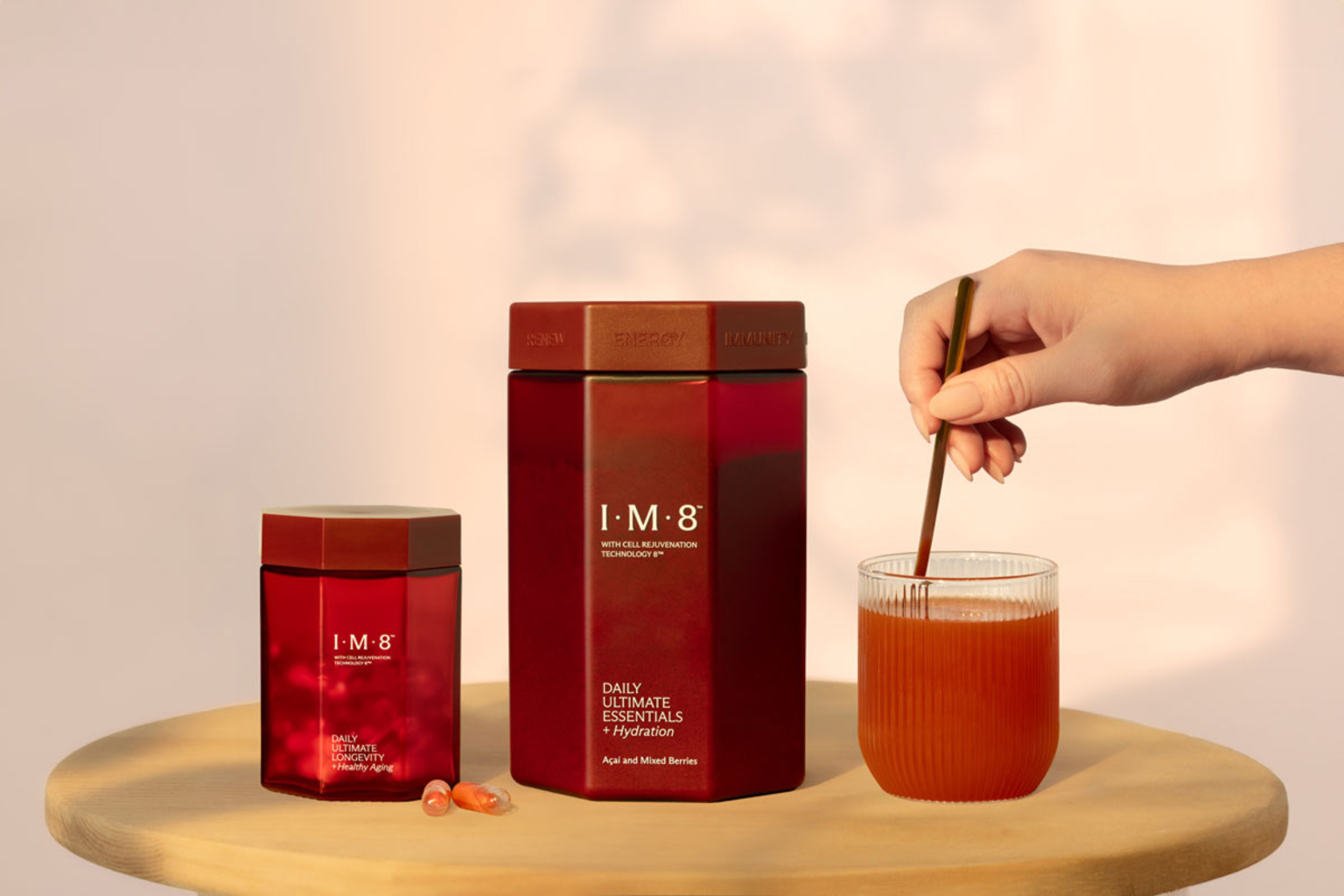
TurtleTree's own commercial footprint illustrates where the ingredient is already gaining traction outside infant nutrition. Its consumer brand, Intentional, sells IronKind — a supplement pairing lactoferrin with prebiotics to support iron regulation, energy, and gut health. LF+ also appears in Cadence Performance Coffee's espresso shots and features in a partnership with animal-free dairy firm Strive Nutrition, underlining the ingredient's reach across sports nutrition, women's health, and functional foods, in addition to the early-life category at the centre of the Novonesis agreement.
Relevance for Saudi Arabia and the MENA Region
The Middle East and Africa currently account for a small fraction of global lactoferrin demand — industry estimates put the region's share at roughly 2-3% of the worldwide market — but the growth drivers cited by analysts apply directly to the Gulf: comparatively low breastfeeding rates in parts of the region sustain strong reliance on fortified infant formula, and government and non-profit health initiatives are actively promoting lactoferrin-enriched nutrition products.
For Saudi Arabia specifically, a deal that de-risks and scales a cow-free lactoferrin supply chain is relevant on two fronts. First, infant-formula and specialised-nutrition manufacturers sourcing lactoferrin today face the same cost and supply constraints driving this transaction globally; a scaled, fermentation-based alternative could eventually widen sourcing options as capacity comes online. Second, the deal reinforces a broader thesis gaining traction across Vision 2030-aligned food investment: that precision fermentation and biosolutions partnerships — rather than conventional dairy processing alone — are where global ingredient majors are now placing their innovation capital, a signal worth tracking for Saudi and Gulf investors positioning around functional and infant nutrition.
Editorial View
What distinguishes this agreement from the broader wave of alternative-protein partnerships is its sequencing: TurtleTree secured the hardest part — regulatory clearance — before seeking a manufacturing partner, rather than the reverse. That order gave Novonesis a lower-risk entry point into a category it clearly wanted access to, and gave TurtleTree leverage at a moment when its balance sheet needed it most. For an ingredients sector where technical feasibility has outpaced commercial viability for much of the past five years, this transaction is a useful marker of what closes the gap: not more novel science, but a credible regulatory pathway matched to an established manufacturer's scale.