

Savor and AAK Team Up to Bring Carbon-Made Fats to Dairy and Bakery Manufacturers
A two-year agreement pairs a California startup that builds fats directly from carbon with one of the world's largest specialty oils suppliers — a bet that agriculture-free fat can move from pilot kitchens to industrial supply chains.
The Deal at a Glance
San Jose-based food-tech startup Savor and Swedish specialty fats and oils group AAK have signed a two-year strategic collaboration to jointly develop and commercialize fat-based ingredients for dairy alternative and bakery manufacturers, with an initial focus on the United States and Europe. As part of the agreement, AAK has also made an equity investment in Savor, deepening the tie between the two companies beyond a standard supply partnership.
The arrangement pairs Savor's proprietary Carbon Crafted™ platform — which produces fats directly from captured carbon dioxide, green hydrogen, and methane without relying on farmland, fertilizer, or fresh water — with AAK's century-and-a-half of formulation expertise and its established commercial infrastructure across more than 25 regional sales offices and 16 customer innovation centers worldwide.
Key Takeaways
- Savor and AAK will jointly develop specialty fats for dairy alternative and bakery applications over a two-year term, targeting the US and European markets first.
- AAK is taking an equity stake in Savor, aligning the two companies' incentives beyond a typical ingredient-supply arrangement.
- Savor's thermochemical process converts carbon dioxide, hydrogen, and methane into fatty acids without conventional agriculture, and claims up to 1,000x less land use and 98% lower emissions than traditional counterparts.
- The tie-up signals growing industrial confidence in carbon-derived fats, a category still largely at pilot scale, as manufacturers look for supply chains insulated from climate and commodity volatility.
- For MENA food producers, the deal is an early signal of how alternative fat technologies could eventually diversify a region highly dependent on imported vegetable oils and specialty fats.
How Savor Makes Fat Without a Farm
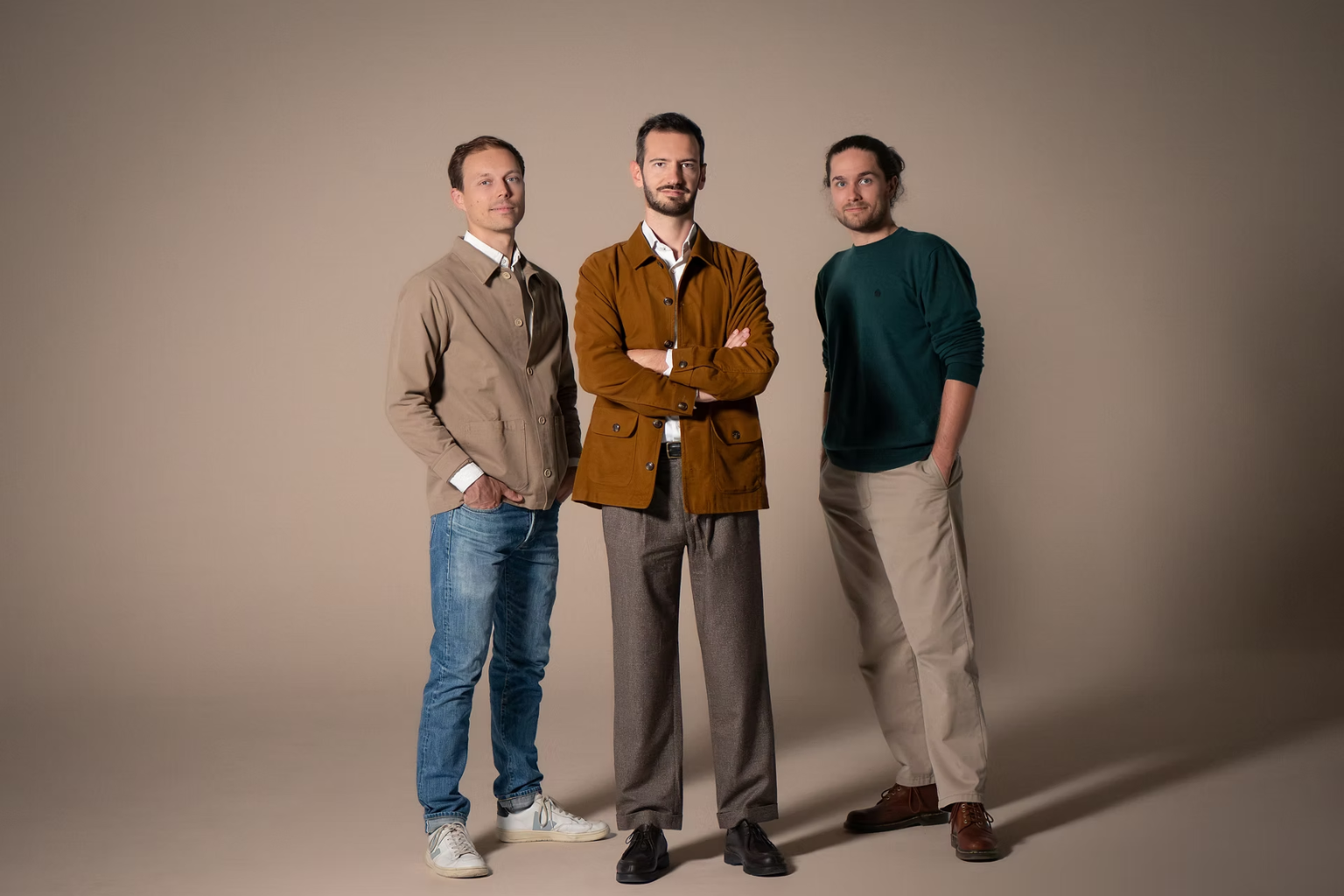
Founded in 2022 by Kathleen Alexander and Ian McKay, Savor uses a thermochemical process that takes carbon from gases such as carbon dioxide and combines it with hydrogen, heat, and pressure to build fatty acid chains — the same molecular building blocks found in butter, palm oil, and cocoa butter, but assembled without a cow, a palm tree, or a fermentation tank. The company has raised roughly $33 million to date from backers including Breakthrough Energy Ventures, Synthesis Capital, Mondelez International, Climate Capital, and CPT Capital, and operates a 25,000-square-foot pilot facility in Batavia, Illinois.
The company's fats have already reached Michelin-starred restaurants and specialty bakeries in the San Francisco Bay Area, and it holds self-affirmed GRAS (Generally Recognized as Safe) status in the US. But reaching large-scale food manufacturers requires formulation know-how and distribution muscle that a young startup does not yet have — which is precisely the gap AAK's collaboration is designed to close.
"-AAK is a global leader in plant-based oils and fats, and they bring exactly the formulation expertise and commercial infrastructure we need to scale our impact. This collaboration accelerates our path to the large food manufacturers who are actively seeking supply chain resilience and ingredient innovation at scale."
Why AAK Is Betting on Carbon-Derived Fats
For AAK, the collaboration extends a broader push to diversify its raw material base beyond conventional agriculture. Dairy alternatives and bakery were chosen as the first target categories precisely because both are under sustained pressure to deliver functional performance — taste, texture, and stability — while facing rising costs and supply volatility tied to weather events and commodity cycles affecting palm, coconut, and dairy fat sourcing.
Savor's process is largely agnostic to geography: because it does not depend on arable land, rainfall, or growing seasons, production facilities could in principle be sited anywhere with access to carbon and energy inputs, including regions with limited agricultural capacity. That flexibility is a large part of the "supply chain resilience" argument both companies are making to prospective customers.
"Savor's technology platform opens a new source of saturated fats, decoupled from agriculture and traditional supply chains, with a strong sustainability profile. These fats can be designed together with AAK's plant-based oils for a vast array of functionality and solutions."
Kim Olofsson — Global Head of R&D, AAKRonald van der Knaap, AAK's global head of dairy, early life nutrition, and savory, has framed the partnership around consumer experience as much as sustainability — arguing that the goal is applications with genuine taste and texture appeal, not simply a lower-carbon substitute that asks consumers to compromise.
A Crowded, Still-Nascent Category
Savor operates in a wider field of companies attempting to replace animal- and plant-derived fats through non-traditional means, including precision fermentation and cultivated fat approaches pursued by other food-tech ventures. Its thermochemical route is distinct in that it can draw on existing industrial chemical processes rather than biological systems, which its backers argue reduces scale-up risk — though the category as a whole remains early, with most volumes still measured in pilot-scale tonnes rather than industrial output.
The AAK deal is a meaningful validation point regardless: a 150-year-old, industry-scale ingredients supplier making both a commercial and an equity commitment signals a level of confidence that goes beyond marketing partnerships or pilot trials. It also fits a pattern seen elsewhere in specialty ingredients, where established players are increasingly partnering with — rather than simply monitoring — climate-tech entrants to hedge against future supply chain disruption.
What It Means for Saudi Arabia and MENA Food Manufacturers
Saudi Arabia and the broader Gulf region import the substantial majority of the vegetable oils, dairy fats, and specialty fat ingredients used in local bakery, confectionery, and dairy alternative production, making the category acutely exposed to global commodity price swings and shipping disruptions. Carbon-derived fat technologies remain far from regional deployment today, but the underlying proposition — production decoupled from arable land, weather, and long shipping routes — speaks directly to the kind of import dependency Vision 2030's food security agenda is designed to reduce.
For now, the more immediate relevance for MENA manufacturers is upstream: as AAK integrates Savor's fats into its own specialty ingredient portfolio, Gulf food and beverage producers that already source from AAK's global formulation network may eventually gain indirect access to these next-generation fats through existing supplier relationships, well before any standalone regional production emerges.
Editorial View
This deal is less about a single ingredient breakthrough than about industrial validation of a technology still finding its commercial footing. Alternative fat ventures have faced skepticism from generalist investors since 2022, and Savor's own executives have acknowledged that additional external funding has been harder to secure than expected. A strategic partner the size of AAK — with formulation depth, global reach, and now direct equity exposure — gives Savor a credible path to scale that funding rounds alone could not guarantee.
For the wider food ingredients sector, and for import-dependent markets like Saudi Arabia, the collaboration is worth tracking less for what it delivers this year than for what it signals about where specialty fat supply chains may be headed over the next decade.