
SALIC Moves National Grain Company Under SABIL, Putting Feed Imports and the Silo Network in One Hand
The consolidation adds no capacity. It gives a single PIF-owned operator reach from international sourcing to the Kingdom's silos, in a market where feed grains outweigh wheat.
What Happened
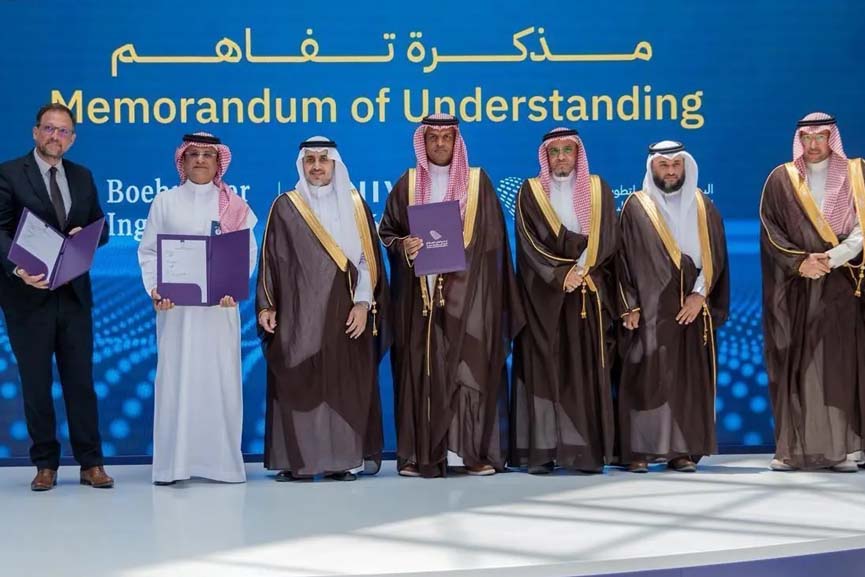
On 12 October, the Saudi Agricultural and Livestock Investment Company (SALIC), the Public Investment Fund's food security arm, transferred full ownership of National Grain Company (NGC) to its subsidiary SABIL, the operator of the Kingdom's strategic wheat reserve. The move followed SALIC's purchase of the remaining 50% of NGC. Price and seller were not disclosed.
NGC remains a separate legal entity, wholly owned by SABIL. It was founded in 2020 as an equal joint venture between SALIC and Bahri, and runs a grain terminal at Yanbu port specialising in international sourcing of grains and feed inputs.
Key Takeaways
- SABIL now owns NGC outright, combining feed-input sourcing with a 14-branch national silo network.
- Feed grains are the larger market: corn and barley imports are forecast at more than 2.5 times wheat imports.
- The move completes, at home, the consolidation SALIC began abroad with Olam Agri.
- No changes to volumes, prices or delivery terms have been announced.
- The open question is how SABIL balances serving private importers with competing against them.
Why It Matters: Feed, Not Wheat
SABIL was built around wheat. It took over the former grains authority's silos in 2025 and, according to a USDA assessment, is set to take over wheat purchasing as well. But wheat is the smaller flow. USDA forecasts Saudi corn imports at 4.66 million tonnes and barley at 4.5 million tonnes in 2026/27, against 3.5 million tonnes of wheat.
Those feed grains underpin poultry, dairy and livestock, the protein sectors the Kingdom is expanding while limiting water-intensive fodder farming at home. NGC gives SABIL a commercial foothold in that larger market.
One Chain, Three Links
SALIC presented the transfer as the domestic counterpart to its international build-out. It completed an 80.01% stake in Singapore-based Olam Agri in April 2026, and in July moved to fold its Ukrainian farming arm, Continental Farmers Group, into it.
What It Means for the Private Sector
SABIL already serves private buyers. In July 2025 it discharged its first corn cargo for a private importer at Dammam, and in October 2025 it signed a logistics agreement with ARASCO, one of the Kingdom's largest feed producers. Its new strategy, launched on 1 October, targets integrated agri-food logistics, and SABIL called the NGC integration the first step.
“A flexible operational base that enables [SABIL] to expand its services in line with the sector's needs.”
The change is that SABIL now also owns a commercial feed-input importer. For feed millers and poultry integrators, that makes it both a service provider and a potential competitor.
The deal adds no tonnes. It changes who coordinates them, from the port berth to the silo branch.
SFT Editorial AnalysisEfficiency Gain or Gatekeeper?
The strategic logic is sound: an import-dependent market benefits when sourcing, port handling and storage are coordinated rather than fragmented. But consolidation in state hands shifts the burden of proof. SABIL now needs to show that private importers get access to its silos and berths on transparent, non-discriminatory terms, even when they compete with NGC for the same cargoes. Throughput data and published service terms will matter more than the ownership chart.