
From farm to shelf: Almarai enters red meat with HABOOR
With roughly SAR 500 million behind HABOOR, Almarai is taking red meat toward the branded, pre-packed shelf it built in dairy and poultry, in a category where local production covers 62% of demand.
A bet on a buying habit, not a product
Almarai's entry into red meat is less about adding a brand than about changing how beef is bought. With roughly SAR 500 million behind HABOOR, a pre-packed beef label produced locally, the region's largest food and beverage manufacturer is wagering that red meat can move onto the same branded shelf where it already sells milk and chicken.
The launch was disclosed on Tadawul on 27 October. Almarai said the business will focus mainly on high-quality, locally made beef, with financial impact expected from the fourth quarter of 2026. The plan is five years in the making: in December 2021 the board approved an initial SAR 250 million for an integrated plant running from slaughter to retail-ready packs.
Key Takeaways
- About SAR 500 million backs HABOOR, with results impact expected from Q4 2026 — red meat becomes a near-term earnings item, not a long-dated project.
- The product is pre-packed, branded beef for retail, which moves the contest to trust and consistency rather than price per kilo alone.
- Almarai sizes Saudi red meat at SAR 18–22 billion, growing about 3% a year — a mature category where share is won on format, not market growth.
- Local production met 62% of Saudi red meat needs in 2024, against 72% for poultry, leaving room for a locally made branded option.
The poultry playbook, applied to beef
Almarai has turned a fresh protein into a brand before. It entered poultry by acquiring HADCO in 2009 and launched Alyoum in 2011, selling fresh chicken through the same route to market that carries its dairy. Red meat now sits under the "selective category expansion" pillar of its 2026–2031 strategy, alongside seafood, bottled water and ice cream.
The thesis is format, not volume. NADEC says its own branded packaged red meat is on track for retail by year-end 2026, and its processing joint venture with UK-based Hilton Foods was set up to support a move from in-store butchery to packaged local meat. In that shift, the advantage goes to whoever controls processing, the cold chain and the shelf at once.
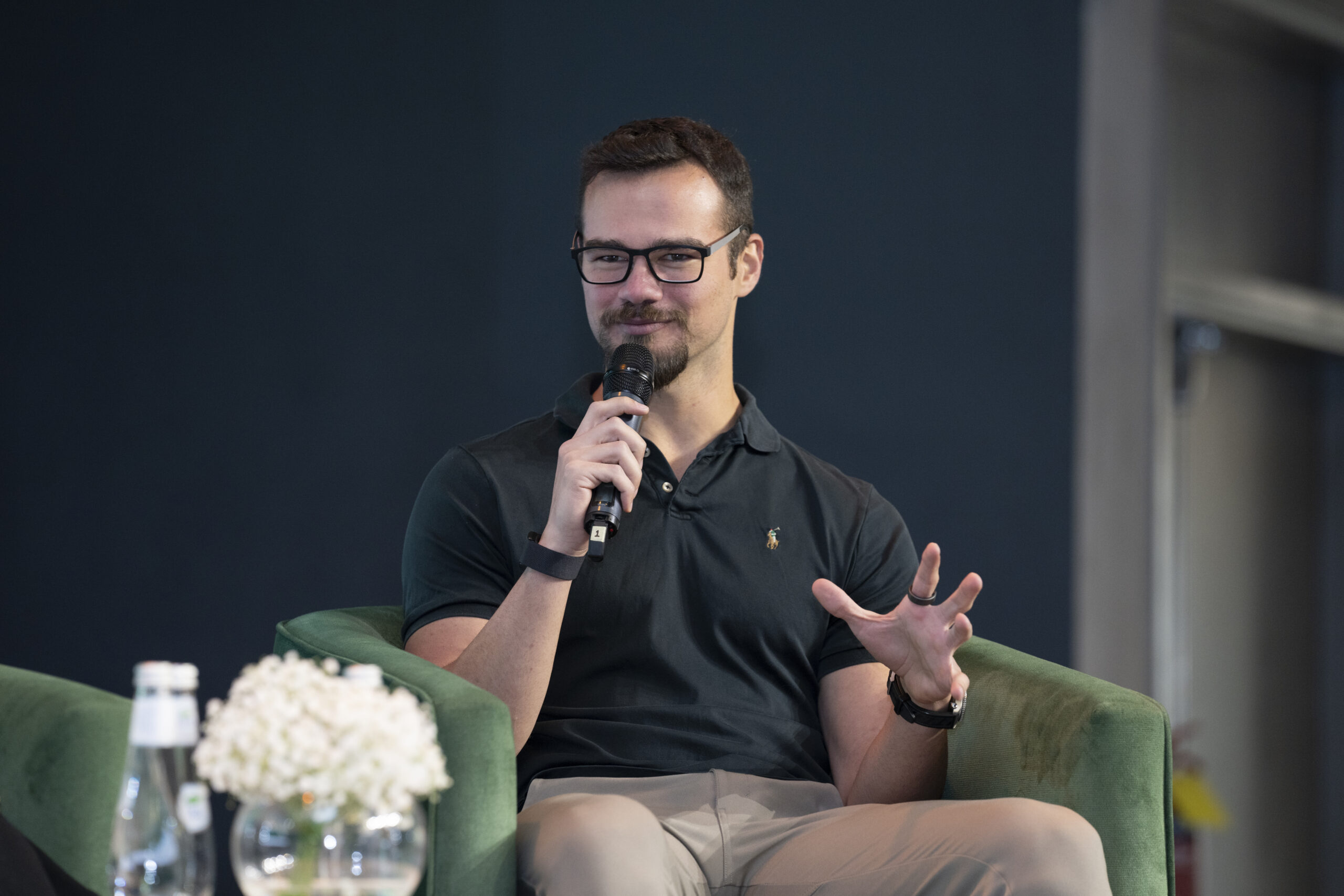
"Through HABOOR, we are entering the red meat market with a focus on quality, reliability, and value creation, supported by the integrated capabilities that have defined Almarai's success for nearly five decades."
What it means for the Saudi market
Red meat self-sufficiency stood at 62% in 2024, according to the General Authority for Statistics, while per-capita consumption rose to 13.2 kg. A locally processed, branded beef line adds a domestic option on the retail shelf, from a supplier retailers already deal with daily across dairy, bakery and poultry.
Three groups should pay attention. Livestock producers, as a large integrated processor commits to beef. Retailers, who gain a national brand around which to build a chilled meat aisle. And investors, who will read Almarai's fourth-quarter results for the first evidence of whether red meat can grow without diluting group margins.
Editorial View
Saudi red meat is starting to move from a commodity bought on price to a category that can carry brands. HABOOR's real asset is not the name but the system behind it: processing know-how, a cold chain and daily distribution to more than 220,000 retailers. Almarai has run this model in poultry. Beef is harder to brand, which is why that system matters more here.
For regional operators, local protein is becoming a branded retail contest, not only a production target. Smaller processors will need a clear position in cuts, origin or foodservice. The signals to watch are HABOOR's first contribution in Q4 2026 results, its price against imported beef, and how NADEC's packaged range performs beside it.